Moving abroad with kids – Why my children didn’t hold me back
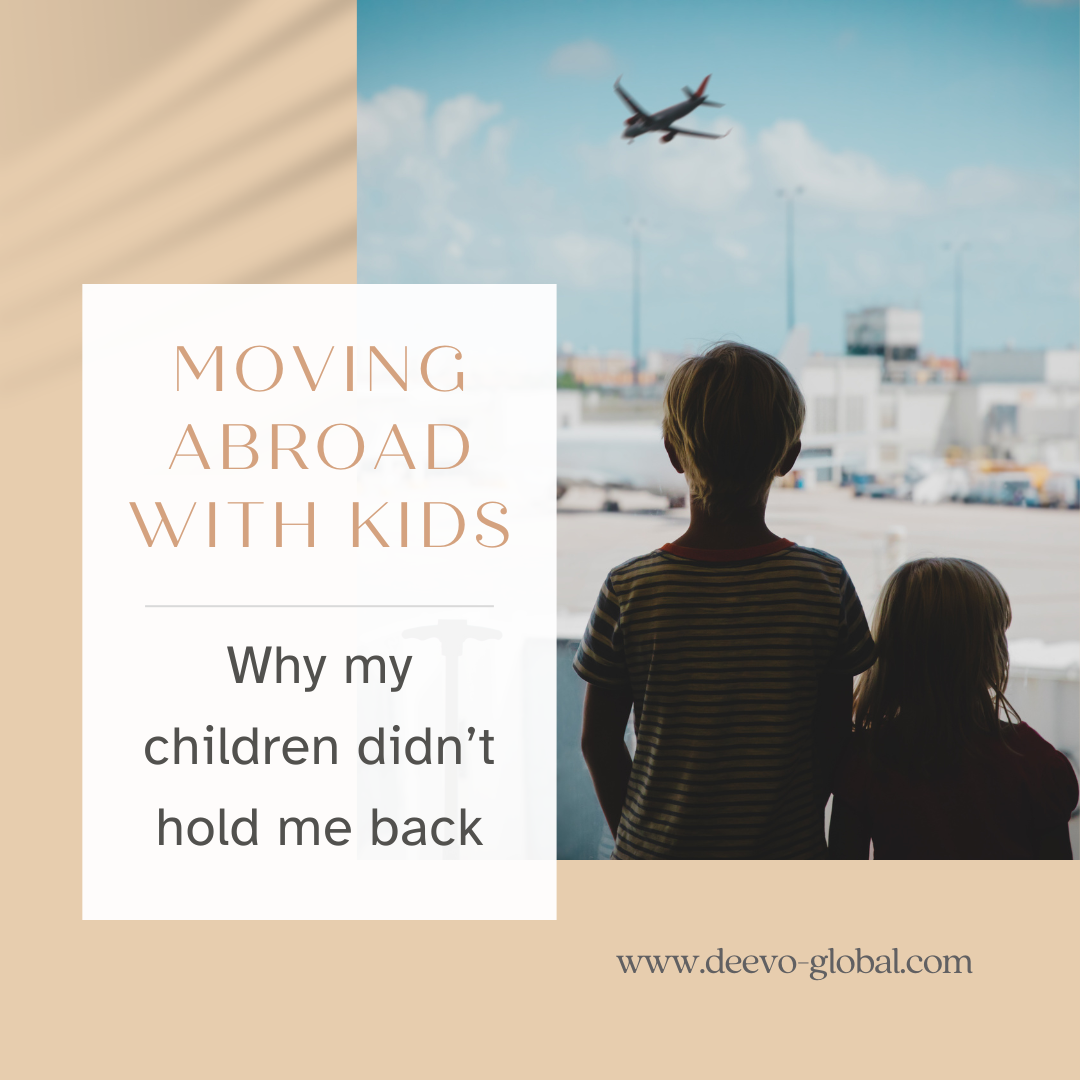

Moving abroad with kids can feel overwhelming. You worry about school, friends, routines, and whether your children will adapt. I’ve heard it all:
I would love to, but my kids have their friends here.
I can’t, my kids don’t want to move.
My kids are struggling with school already. They need a steady life.
But from my own experience, raising kids while moving between countries and cultures is not only possible, it can be the best education you’ll ever give them. In this post, I share what I’ve learned from more than ten years of living abroad with my children, the challenges we faced, and how we turned them into opportunities.
I’m not judging. But hear me out. Our life has been dominated by moving between countries and continents. Not because we have to, like military families, but because we can and we want to. And my children were never an excuse.
There’s this saying from St. Augustine of Hippo (354–430 AD):
Life is like a book, and those who don’t travel read only a page.
I want my kids to read the whole story. It’s the best education I can give them. They learn to pivot, they stay open-minded toward other cultures, they’re multilingual, and they now know their life is not limited.
Here are my observations and learnings from the past ten years of traveling with my kids, from kindergarten age to adulthood, immigrating several times, adapting to new cultures, and even coming back home.
If you feel anxious or worried about your children living an expat life, this post is definitely for you. I share our ups and downs as a family and what helped us make it easier on everyone.

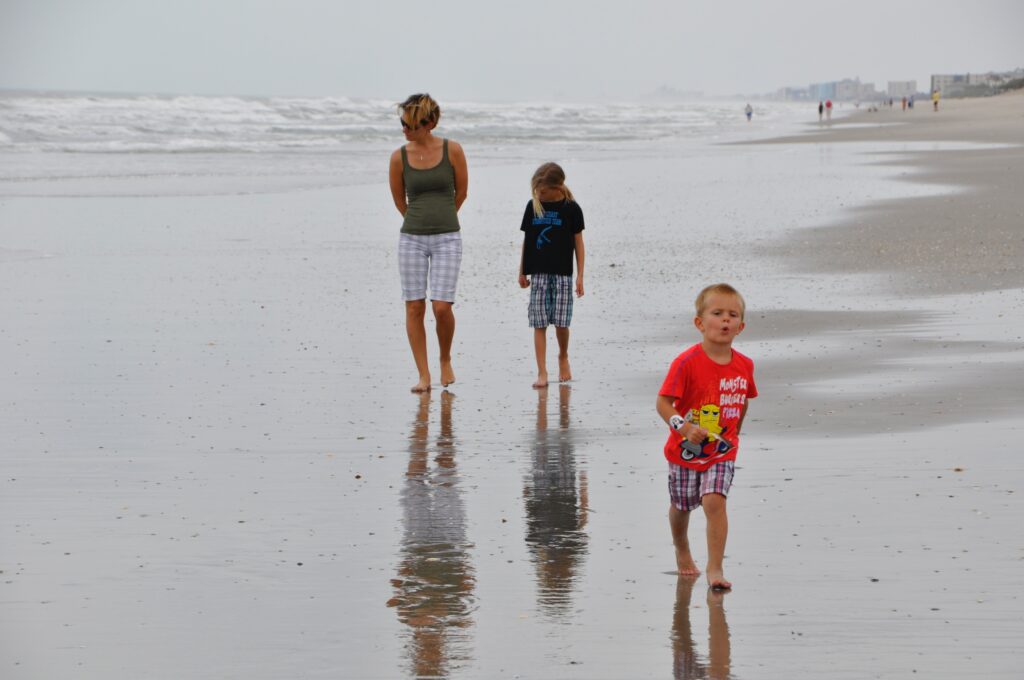
Every move is exciting. When we first immigrated from Germany to the U.S., my kids were 7 and 2. At this age they don’t really know what it means. They can’t imagine their future because they live in the present. How do I know that? I moved to another country myself when I was 10. I remember it as fun, exciting, and interesting. It didn’t bother me at all.
My children adapted very well. At that age it doesn’t matter if they speak the language or not. They’re kids! I remember my daughter’s first day of school. All the other kids were curious about her. She spoke English without an accent within 8 weeks. And my son? He started daycare, and his first spoken language was English. He understood German but spoke only English.
I don’t want to romanticize it. When you ask my daughter today, she’ll tell you it was terrible. As the introvert she is, of course it was a challenge. But for her, anything involving people is a challenge, no matter where she lives. The truth is, her development during that time was extraordinary, and she never complained or showed signs of struggle. In fact, she was the best in her class.

Here are 3 things that helped us create a safe haven as a family. They made it easier to build a life in a foreign country:
We kept our traditions
Even while adapting to a new culture, we held onto a few routines. For example, we always had breakfast and dinner together at the table. In the U.S. this isn’t common, but for us it meant feeling at home. When our kids grew older and brought friends over, they often wanted to join us at the table because of that feeling of togetherness. Looking back, our kids told us this was one of the anchors that made them feel secure.
We spoke our mother language at home
This wasn’t just to keep our language alive but also to create a safe space where things felt familiar. Communication is key in situations like these. Everyone needs to be able to express worries and needs clearly.
We didn’t overload the week with activities
Like every family, we had our daily routine: school for the kids, work for us. But we agreed to keep after-school activities simple. I’ve seen families juggle 4 or 5 hobbies a week, squeezing in endless driving between soccer, piano, football, and tumbling. For us, avoiding this helped us stay balanced as a family. If I’m stressed out rushing from one appointment to another, I can’t be the rock and safe space for my kids. And when you live in a foreign country, staying mentally stable is far more important than pleasing every single interest of your child.
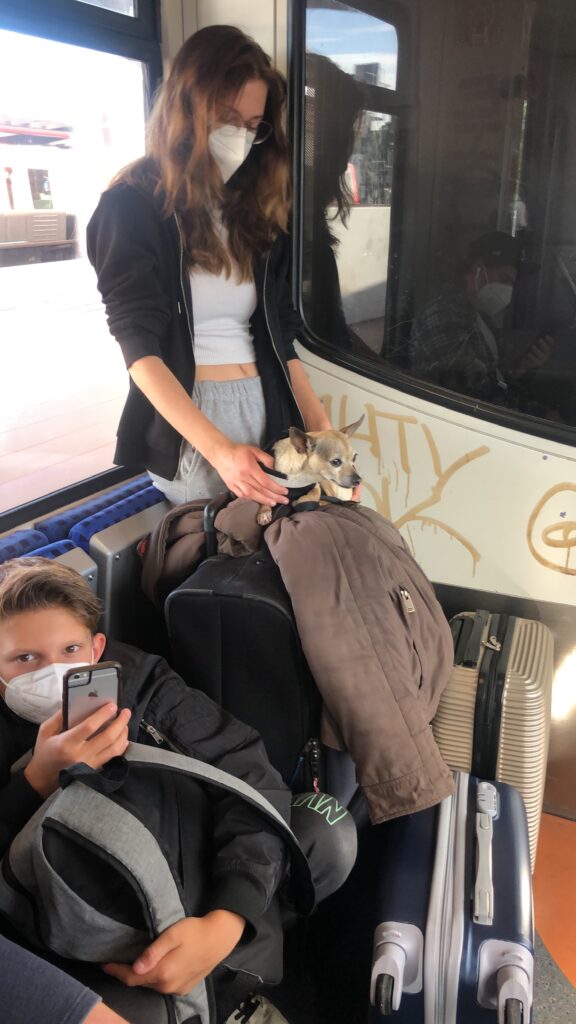
A whole different story. Not harder, not easier, just different. And it requires a different mindset from us as parents.
Teenagers are more aware of their life. They build deeper friendships and they’ll argue about leaving them behind. But we know better. Most friendships don’t last forever anyway, especially when adulthood and work life begin. For us, that wasn’t a reason to stay stuck.
My husband and I shared the same view:
Our children are an important part of our story. But we raise them to leave us one day. We can’t let them define our whole life. I want to make sure my life is still mine when they move on. And they will eventually.
Our kids had to deal with our decisions, and they learned to build their own life with what we gave them. And if I’m honest, you can’t get it right for teens anyway. No matter what you do. This phase is tough, expat or not.

For my husband and me, moving back to Germany felt like coming home. For our kids, it was immigrating again. Since we had left Germany when they were little, they had no real connection to it. Looking back, it was probably the most complicated move we made.
Sadly, our kids weren’t treated well in school. Something we had never experienced in the U.S. or Spain. It was shocking how unwelcoming Germany was in that sense.
Coming back to our home country turned out to be the hardest integration. At the time, our kids were 8 and 13.
We only stayed for two years. Not because it was difficult, but because a new opportunity opened up.
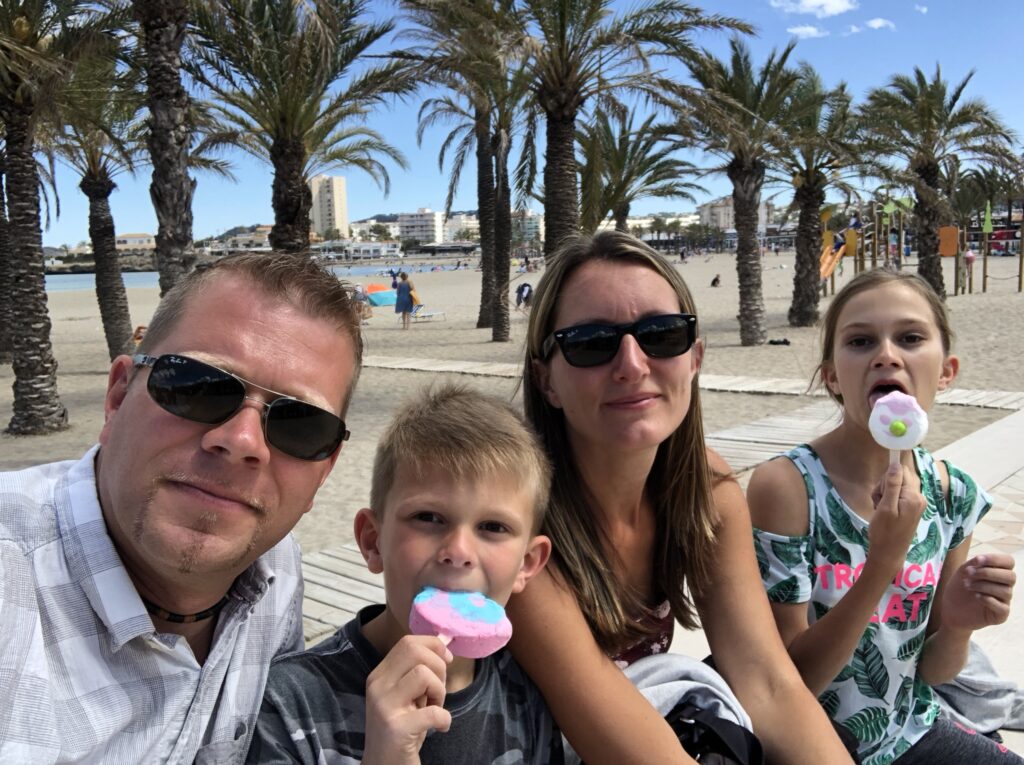
Today my kids are 15 and 20. They’ve spent most of their lives moving and experiencing different countries and cultures. I recently read about “third culture kids”, children influenced both by their parents’ culture and the culture of the country they live in. They end up forming a third culture of their own.
These kids might not answer right away when asked, “Where are you from?” And they learn that home is not a place on the map. It’s a feeling. It’s their story.
My kids are very open-minded. They’re not afraid of change. They speak three languages, they know how to integrate, and they know life is not fixed. If something doesn’t fit, it can be changed.

I’m not saying this is the ultimate life. I believe every child can be capable of these things. What I do know is that an expat experience can be beneficial. It teaches children resilience, patience, and courage at a very young age. And while the path isn’t always easy, it shapes them into confident, open-minded adults who know the world has no limits.
Of course my expat kids face challenges. We all do. And if we hadn’t traveled, they would still face challenges, just different ones.
My daughter once said in her college interview:
My journey was difficult and I wanted to give up along the way. But I’m glad I didn’t, because it brought me here and it made me who I am. I wouldn’t change a thing.
If you really want to change your life and move to a different country, don’t let your children hold you back. They are not the reason, they’re just your excuse.
As parents, and I think especially as moms, we tend to shield our children from harm and difficulties. But this can quickly turn into overprotection. And then our children never learn how to deal with challenging situations.
Our family has a very special bond. We have each other’s backs. We learned that our family is always there, no matter where we are.
Are you thinking about moving to another country? Or do you have similar experiences? Let’s connect! Share your thoughts in the comments below.

I feel lost. What is the reason of life? I’m 46 and a mother of two. But my children are independent now. So what do I do? I spent half of my life raising my children, managing my family, and doing my job on the side. And all of a sudden, 2/3 of my tasks…

Have you ever wondered why people meditate? And have you asked yourself how to meditate? Meditation is a common practice to reduce stress, quiet the mind and focus intentionally. I discovered meditation about a year ago and ever since it opened up so much creativity and awareness for me. But since I’m a fan of…

For more than three decades, my career shaped the way I saw myself. I loved my work, I thrived under pressure, and the titles I carried made me feel safe and important. As an expat, that meant pushing even harder. No one was waiting for me in a new country, everything had to be built…
This post may contain affiliate links. If you make a purchase through these links, I may earn a small commission at no extra cost to you. I only recommend products and services I truly believe in. Thank you for supporting my work so I can keep creating free content. When we decided to move abroad,…
Are you asking yourself why move abroad? Maybe you’re dreaming about a slower life, new opportunities, or simply a fresh start. Deciding to move to another country is a big step, but it might be the most rewarding one you ever take. I remember the moment my husband and I realized: we can make it…

Overspending is one of the easiest traps to fall into when you live abroad. Exchange rates, different costs of living, and cultural habits around spending all shape how you use your money. Rents are up, interest rates are high, and everyday items are starting to feel like luxury goods, no matter where you live. Money…